 KIMCHI MART
What’s the Best Way to Choose Authentic Korean Kimchi in Miami?
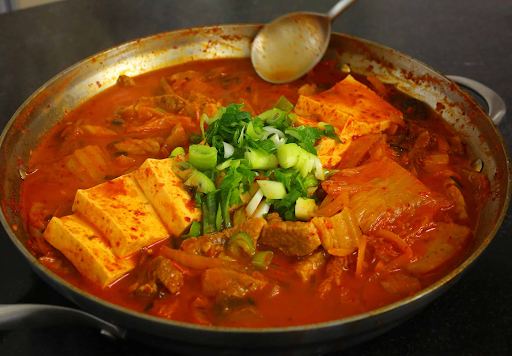
The Kimchi Craze in Miami
Miami’s food scene is known for its cultural diversity and dynamic mix of international flavors. Among the many global cuisines that have captured the hearts of locals, Korean food stands out for its bold flavors and health benefits. Kimchi, the iconic Korean fermented dish, has become a must-have staple in kitchens across the city. As Miami’s Asian food culture continues to grow, more people are searching for the best way to identify and enjoy authentic Korean kimchi .
For those interested in exploring the broader world of Asian groceries, the Chinese market in Florida also offers a range of products that complement Korean ingredients perfectly.
Why Authenticity Matters When It Comes to Kimchi
Authenticity ensures that the kimchi you buy retains the traditional balance of flavor, texture, and fermentation quality that defines true Korean cuisine. The original preparation method, passed down through generations, produces the characteristic tang and umami taste that distinguishes real kimchi from imitations. Authentic kimchi is not just a side dish; it represents the essence of Korean culinary tradition and culture.
What Makes Kimchi Authentic?
Traditional Fermentation and Family Recipes
Authentic kimchi is crafted through a meticulous fermentation process that allows natural bacteria to develop and enrich the flavor. This fermentation not only enhances the taste but also boosts its nutritional value. Traditional recipes rely on time-tested methods, careful ingredient layering, and patience to create the perfect balance of spice, saltiness, and sourness.
Essential Ingredients: Napa Cabbage, Gochugaru, Garlic, Ginger, Jeotgal
The foundation of authentic kimchi lies in its ingredients. Classic recipes use napa cabbage, Korean chili flakes known as gochugaru, fresh garlic, ginger, and fermented seafood products such as jeotgal. These ingredients work together to produce a deep, savory, and slightly spicy flavor profile that defines Korean kimchi.
Small-Batch vs. Mass-Produced Kimchi
Small-batch kimchi, made in limited quantities, often has superior flavor and texture because it allows more control over fermentation and ingredient quality. In contrast, mass-produced varieties may use shortcuts or preservatives to speed up production. When shopping, look for artisanal or locally made options that clearly list traditional ingredients and fermentation details.
Popular Types of Kimchi You Can Find in Miami
Miami’s growing interest in Korean food means shoppers can now find several varieties of kimchi in specialty stores. Each type offers a distinct flavor and texture, allowing you to experiment with different dishes and pairings.
Baechu Kimchi (Napa Cabbage)
This is the most common and beloved type of kimchi. It features whole napa cabbage leaves coated with chili paste and seasoning. Its bold, spicy flavor and crunchy texture make it ideal as a side dish or ingredient in soups and stir-fries.
Kkakdugi (Cubed Radish Kimchi)
Made with diced Korean radish, kkakdugi has a refreshing crunch and a slightly peppery taste. It pairs perfectly with rice dishes or grilled meats.
Baek Kimchi (White Kimchi)
Baek kimchi is a non-spicy variety made without chili powder. It offers a light, crisp flavor with subtle tanginess, making it perfect for those who prefer milder dishes.
Specialty Kimchi for Restaurants and Home Cooks
Some Miami stores also stock specialty varieties made specifically for restaurant kitchens or home chefs looking for bulk options. These selections often have a deeper fermentation profile and may feature additional ingredients like green onions, garlic chives, or radish leaves.
For those searching for quality local options, it’s worth exploring where to find the best kimchi in Miami to ensure you’re purchasing authentic, well-fermented varieties.
Where to Buy Authentic Korean Kimchi in Miami
Overview of Kimchi Mart Miami and Its Selection
Kimchi Mart Miami is known for offering a wide range of Korean food products, including traditional kimchi and other essential pantry staples. The store features multiple varieties suitable for both home use and professional kitchens. Whether you prefer spicy, mild, or seafood-enhanced kimchi, Kimchi Mart provides options that align with traditional Korean flavor standards.
Comparison with Other Local Asian Grocery Stores
While many Asian groceries in Miami carry kimchi, the quality and authenticity can vary. Some stores import their stock directly from Korea, while others source from local makers who follow authentic recipes. When comparing, pay attention to ingredient lists, packaging, and expiration dates. Freshly fermented kimchi should have a deep red color and a slightly fizzy aroma.
Tips for Spotting Real Korean-Made Kimchi on Labels
- Look for “Product of Korea” or similar country-of-origin labeling.
- Check for natural ingredients like gochugaru and jeotgal.
- Avoid products that contain artificial flavor enhancers or preservatives.
If you’re located outside Miami, visiting a Korean market in Pembroke Pines can also be a convenient way to find traditional kimchi and other Korean food essentials.
How to Tell if Kimchi Is Truly Korean
Label Language and Origin Clues
Authentic Korean kimchi often features Korean-language labeling and branding. This indicates that the product follows Korean production standards. Some packaging may also include a certification mark or seal of authenticity from Korea’s food authorities.
Texture, Smell, and Taste Signs of Authenticity
Properly fermented kimchi has a balance of crunchiness, acidity, and spice. The aroma should be strong but pleasant, with a natural fermented scent rather than an artificial or overly pungent smell. The taste should feel layered, starting with saltiness, followed by spice, and ending with a slightly sour finish.
How to Store and Enjoy Kimchi at Home
Best Storage Temperatures and Containers
Kimchi continues to ferment over time, even after purchase. It should be stored in airtight glass containers or plastic jars specifically designed for fermented foods. Keeping it refrigerated at around 37–39°F helps slow down fermentation and maintain freshness. Avoid metal containers, as the acidity of kimchi can react with metal and affect flavor
Serving Tips: Pairings with Rice, Noodles, and Soups
Kimchi pairs beautifully with many dishes, adding depth and spice to everyday meals. It can be served cold as a side dish or incorporated into hot soups, fried rice, or noodle bowls. Mixing older, well-fermented kimchi into stews can intensify the flavor, while fresher batches are ideal for salads or light meals.
Conclusion
Choosing authentic Korean kimchi in Miami means paying attention to ingredients, fermentation methods, and product origin. Authenticity ensures the full experience of Korean flavor and nutrition, making kimchi more than just a condiment—it’s a celebration of Korean culture and craftsmanship. For those eager to explore more Korean staples or have questions about availability, you can always visit or contact the team at Miami Kimchi to learn more about their authentic selections.
Frequently Asked Questions
-
How long does kimchi last in the refrigerator?
Properly stored kimchi can last for several months. Over time, it becomes more sour and pungent, which some people prefer for cooking.
-
Is all kimchi spicy?
No, not all kimchi is spicy. White kimchi (baek kimchi) and other mild varieties are made without chili powder and offer a more delicate flavor.
-
Can kimchi be frozen for long-term storage?
Yes, kimchi can be frozen, but freezing may alter its texture. It’s best used in cooked dishes once thawed.
-
What are the health benefits of eating kimchi?
Kimchi is rich in probiotics, vitamins, and antioxidants. Regular consumption supports digestion and overall gut health.
-
How can I tell if my kimchi has gone bad?
Spoiled kimchi may have an off smell, slimy texture, or mold. If the flavor is unusually bitter or metallic, it should be discarded.
< Older Post
Newer Post >
Shop these ingredients at Kimchi Mart
Six stores across South Florida — or order online and pick up in an hour.